
Building the future with migrants & refugees
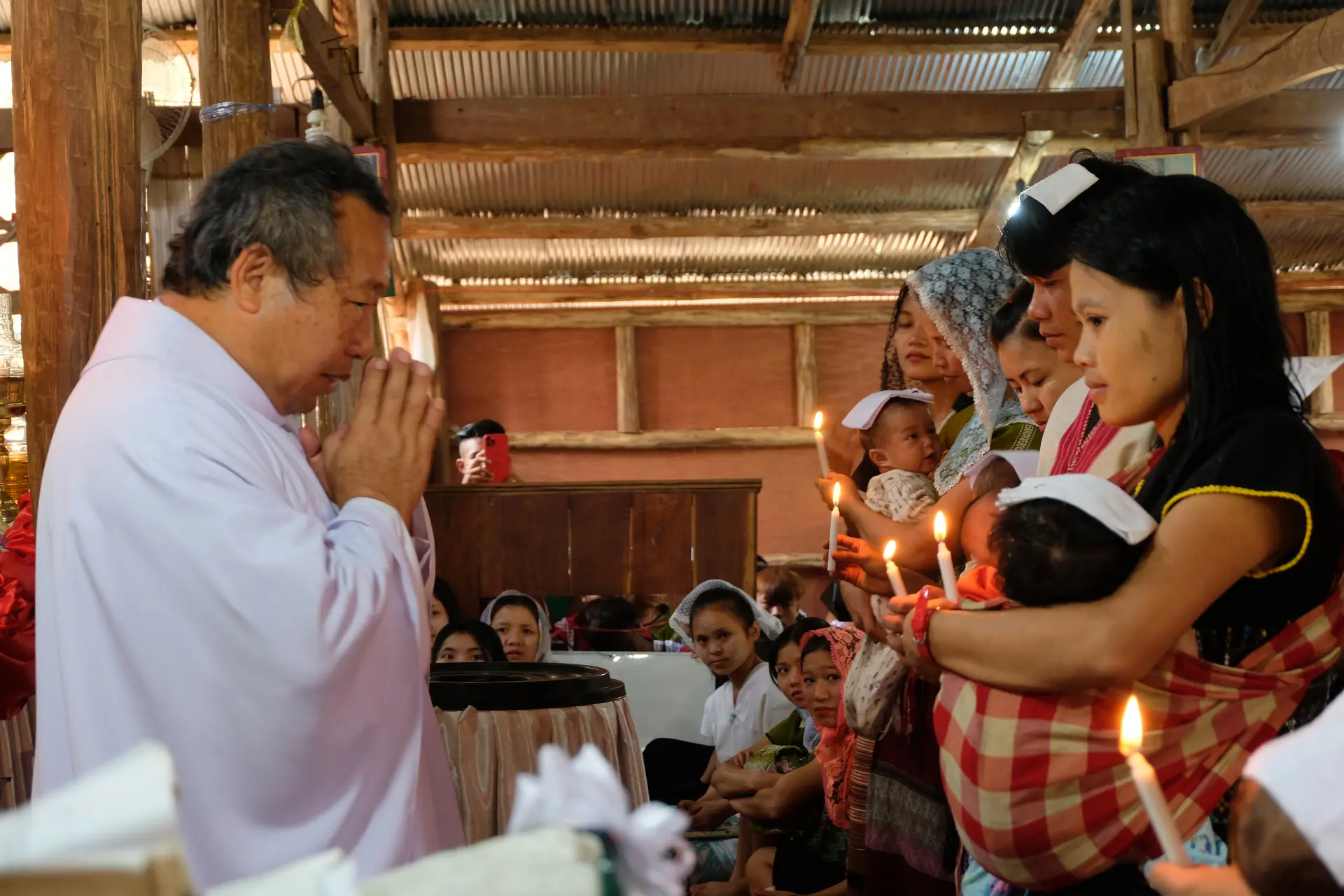
Pope Leo XIV encourages us to see migrants and refugees as “Messengers of Hope”
“In a world darkened by war and injustice, even when all seems lost, migrants and refugees stand as messengers of hope. Their courage and tenacity bear heroic testimony to a faith that sees beyond what our eyes can see and gives them the strength to defy death on the various contemporary migration routes.”
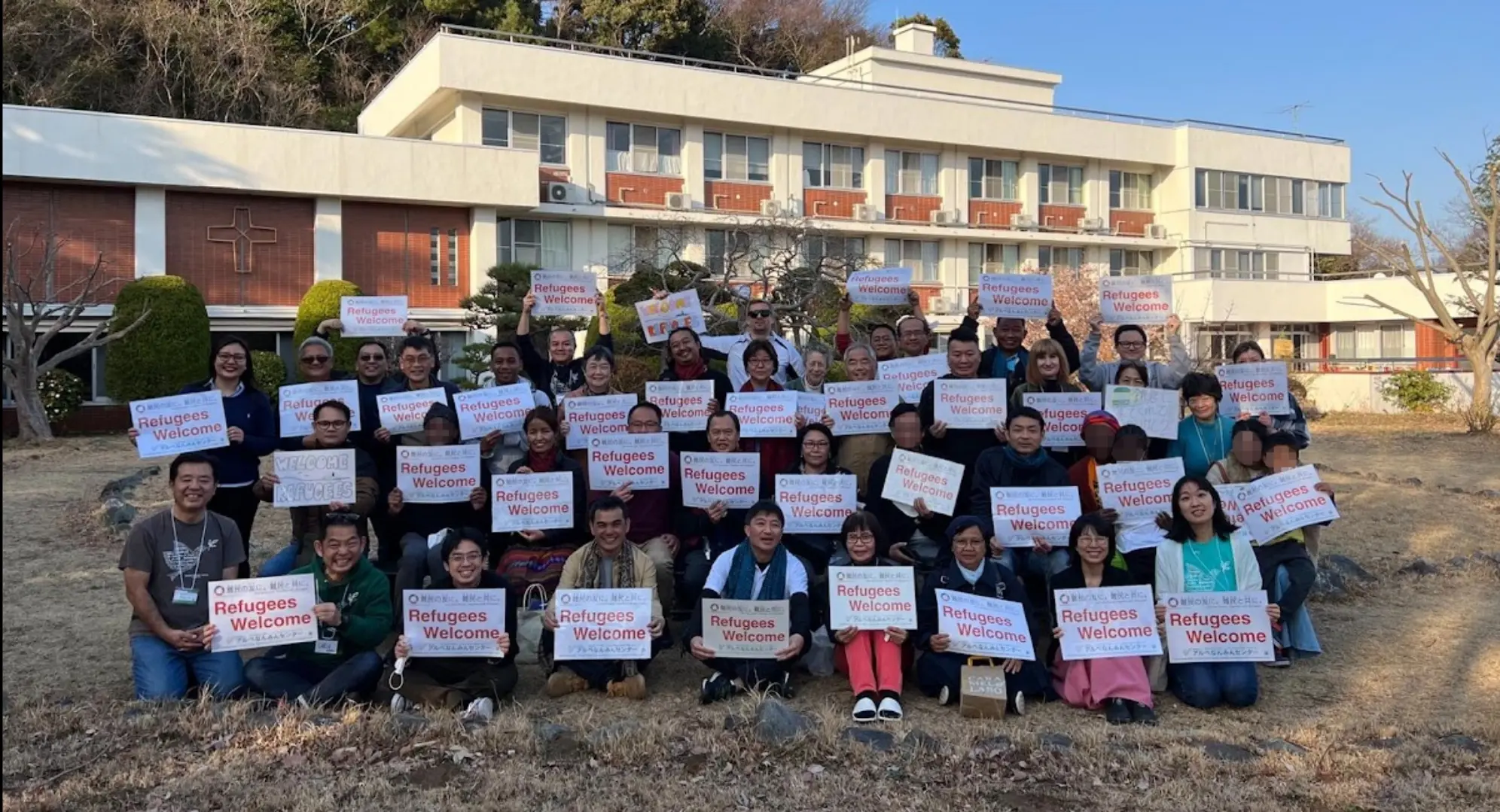
refugees & migrants
Refugees
JRS Asia Pacific was set up in 1981 in response to the need for emergency refugee care in the region, but its work has since expanded towards a longer-term commitment. A lot of the work with refugees in Asia Pacific is done through Jesuit Refugee Service (JRS), which was founded on 14 November 1980 by Father Pedro Arrupe, Superior General of the Society of Jesus at that time.
JRS works with refugees, asylum seekers (individuals who have made an application for protection but whose status has not yet been determined), forcibly displaced persons and internally displaced and stateless peoples. Many have fled extreme poverty, generalised conflict, economic collapse, etc. In host countries, they are regularly denied access to basic services such as social welfare, education and health care, and the right to work. It is in this denial of access and the consequent need for action in justice that the work of the JRS begins.
In addition to JRS Asia Pacific, JRS has local offices or representatives in Australia, Cambodia, Indonesia, Myanmar, Philippines, Singapore and Thailand. Furthermore, JRS collaborates with numerous citizen organisations in Asia and Pacific, including partners such as the Arrupe Refugee Center in Japan.
Migrants
Migrant workers (both foreign and internal), foreign brides, undocumented migrants, including victims of trafficking and smuggling; and people in immigration detention centres are among the most vulnerable people in the world, and in need of support and assistance. Of these, migrants from rural areas, those who work alone in isolated settings such as domestic workers, and those who do not work within a legitimate corporate structure, such as undocumented persons, are at greater risk.
Jesuits and collaborators, including the Jesuit Refugee Service, serve vulnerable migrants at the local level by providing casework, medical and legal help, social and learning activities, accompaniment, chaplaincy work and pastoral care. We also foster capacity building among non-government organisations working in aid of migrants within this part of the world.
In the Jesuit Conference, the main centres working with migrants are Sahabat Insan in Indonesia, Jesuit Social Service Centre in Japan, Yiutsari in South Korea, UGAT Foundation in the Philippines and Rerum Novarum Center in Taiwan.

JCAP Migrants AND Refugees Network
At the conference level, JRS and the Migrants and Refugees Network have been actively working together to build a vital network for collaboration and resource sharing to strengthen efforts in supporting migrants and refugees, while jointly advocating for changes in policies and practices affecting vulnerable migrants.
The network’s logo features a vibrant combination of the official colours of JCAP. The green leaves signify hope, while the red elements represent fire and people, showcasing the transformative power of the Holy Spirit to move individuals and institutions to serve, accompany, and stand alongside migrants and refugees. In the centre of the logo are the letters ihs, the symbol of the Society of Jesus. All the elements fit together in a circle, conveying solidarity in working together with people and organisations of good will.
Published
Books
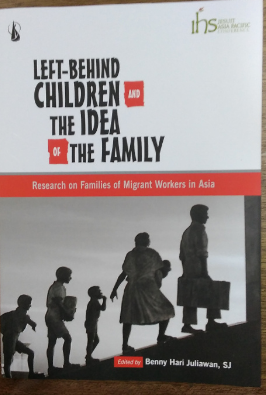
Focuses on what happens to children who are left behind by their migrant worker parents.
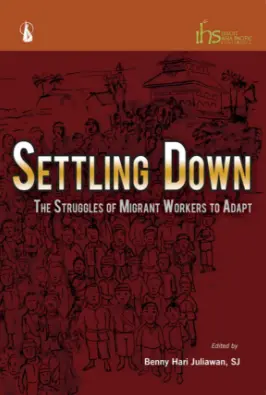
Brings together stories
and analyses of migrant workers from six different countries in Asia Pacific.