
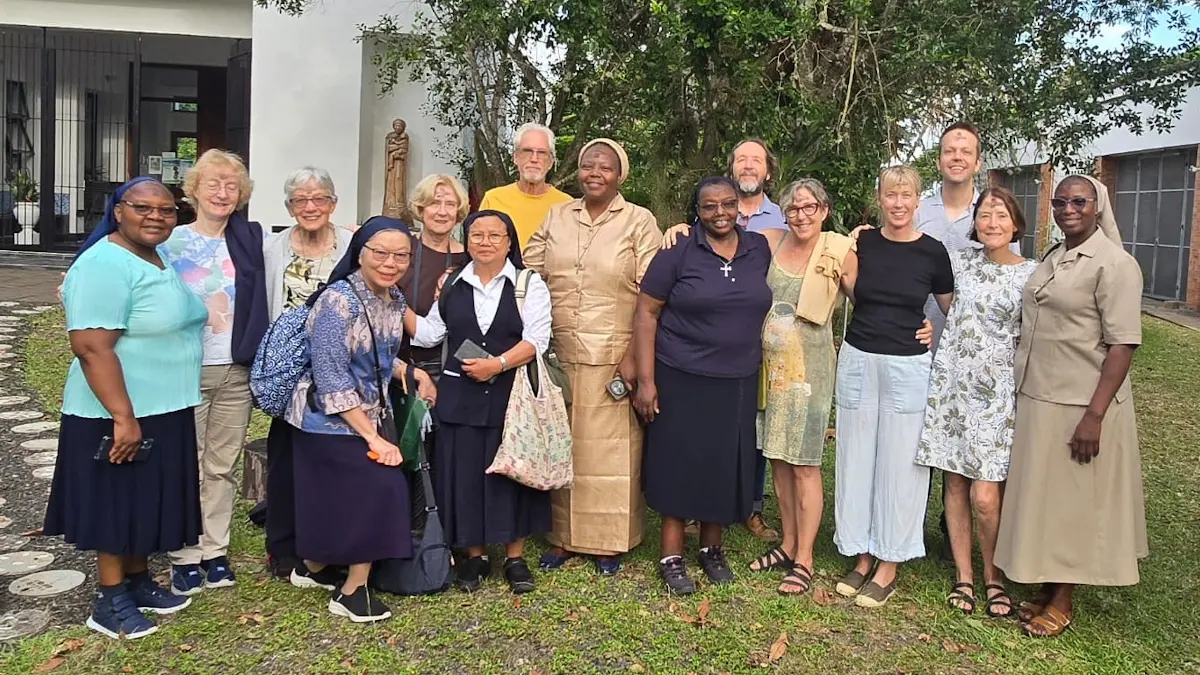
In February, I had the opportunity to participate in the Integral Ecology immersion programme hosted by the Rome Union of Ursuline Sisters at St Lucia in Durban, South Africa. This experience opened my heart to a deep understanding of what it means to live in accordance with integral ecology. The place provided the ideal setting for a transformative journey toward ecological conversion. Deep engagement with creation allowed us to deeply feel our interconnectedness with the Creator, fellow human beings, and all of creation.
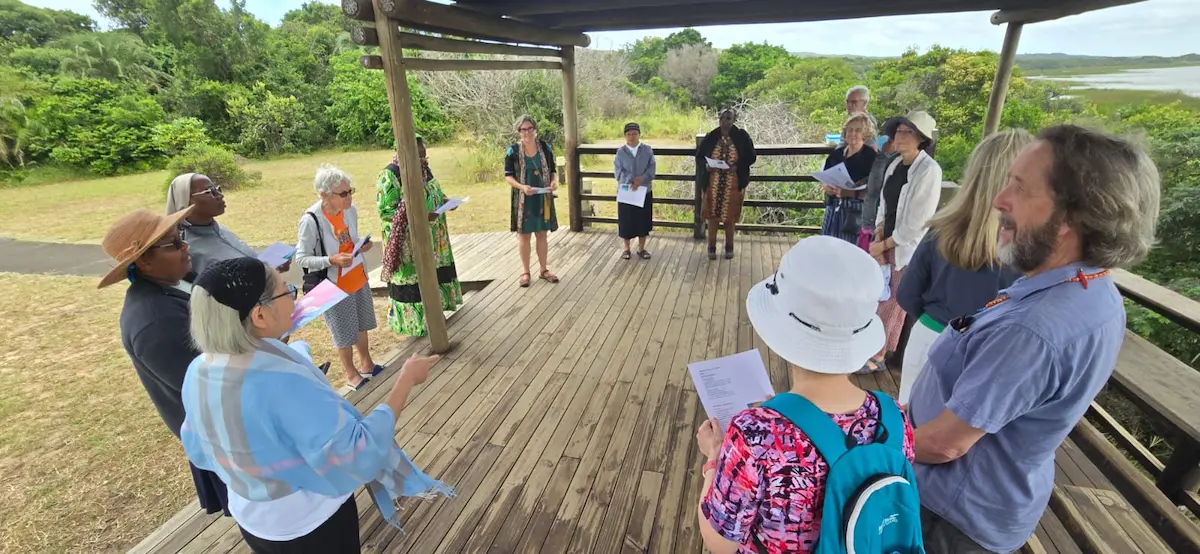
The semi-retreat immersion programme began with a sunset circle ritual on the banks of the estuary behind the St Lucia retreat centre. We internalised the presence of our bodies and souls with the African earth by being fully present, seeing, and feeling the place we have just set foot upon, giving thanks for all we have experienced and received from the goodness of God, the Sustainer of life.
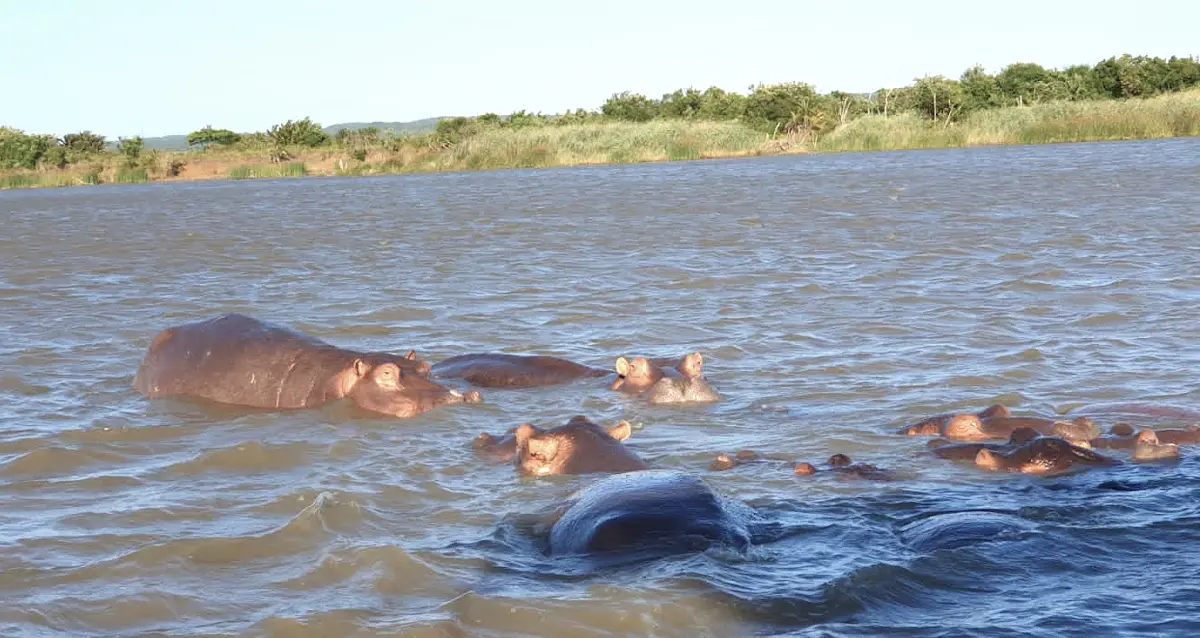
 We woke up at dawn the next day to engage in mindful walking around the small forest of the retreat centre. Everyone had a unique experience of what nature generously offers: the fresh air, the sweet songs of the birds, the bustle of insects, the majestic trees, the intertwining roots and vines, leaves dancing to the rhythm of the wind, small animals waking to hunt, and hippo droppings reminding us of their presence during the night. We concluded our journey home with a dyad sharing, reflecting on our experience of becoming one with the forest. On the same day, we encountered a pod of hippos submerged in the shallow estuary while we floated on the surface in a boat.
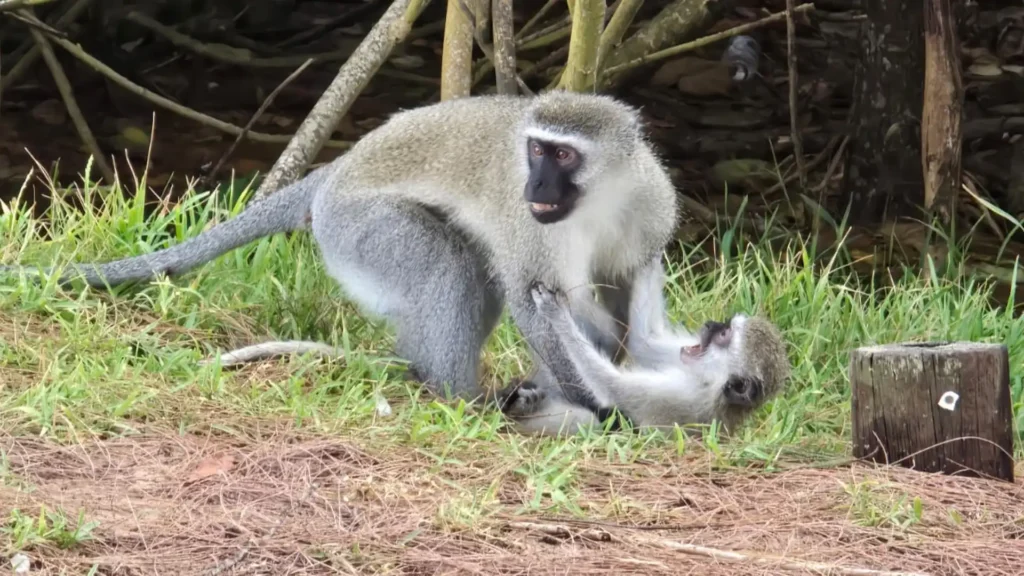
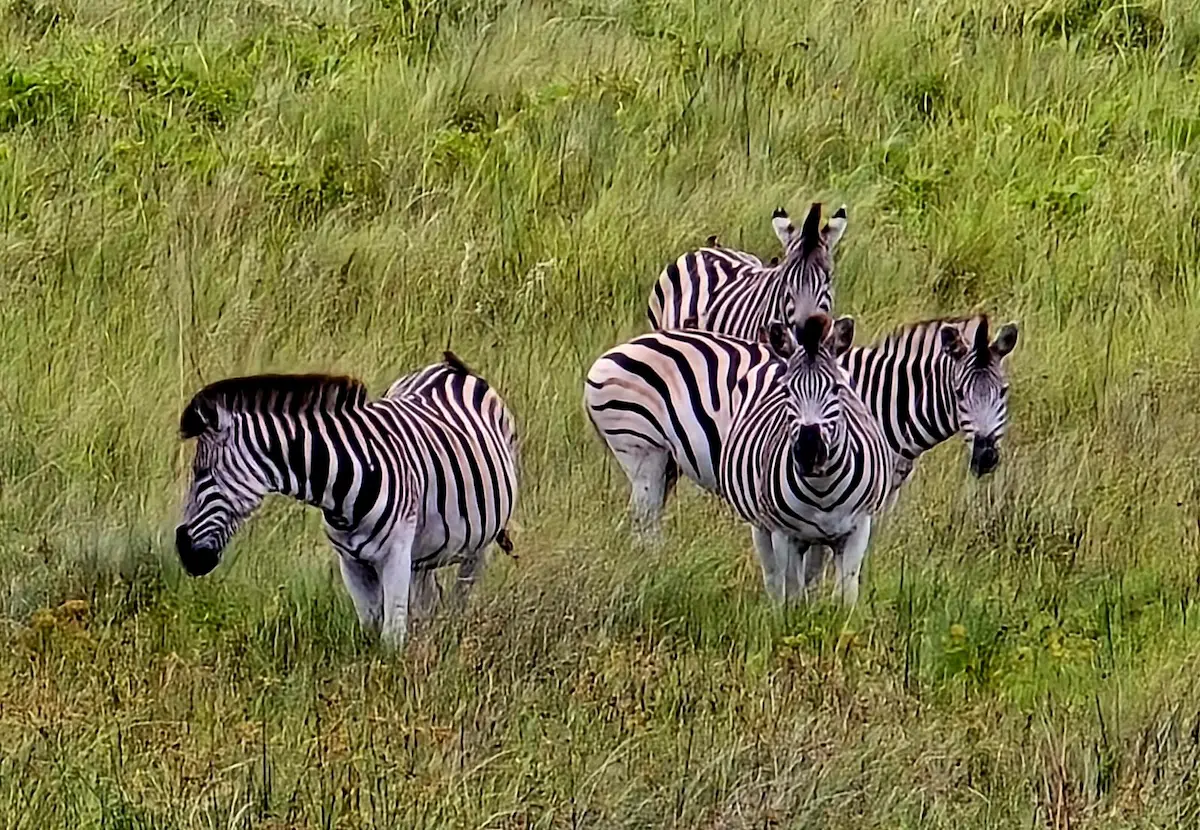
I thought to myself: “God is here.” Through all of nature, God presents, nourishes, and takes care of all creation. We saw, felt, and encountered God in our experience. Exploring the forest in silence many times during our immersion deepened our connection with nature—with fellow humans, animals, trees, and plants. The forest, which to our eyes looked barren and dry, turned out to be a paradise for a diverse array of plants and animals. Zebras, antelopes, impalas, wild boars, buffalo, rhinos, monkeys, and hippos adorned the landscape with unparalleled beauty.
Various bird species proudly displayed their colourful plumage, humbling us in the face of nature’s grandeur. We learnt that some of these animals are not native to South Africa, particularly the birds, many of which migrate from Europe and Asia in search of food and better habitats. Not all birds that migrate survive the journey. Some face obstacles during their flight, while others die along the way. Yet, the need for survival propels them to move. Many of them arrive safely at a new and better home, guided by their instincts and protected by the Creator.
 Just like birds, people migrate to other countries in search of a better life. Seeing the migratory birds broadened my understanding and deepened my appreciation of their motivation to take such great risks for a better life and future.
When God called Abraham to migrate to the land of Ur with his family, it was not merely for them to seek a better life but also to proclaim the good news. Paul journeyed far and wide to spread the Gospels, followed by the other disciples and then the missionaries. Is it possible that in today’s world, the spread of Christian values can occur through the welcoming of migrants?
The Pope’s apostolic visits to the different parts of the world are also a journey of Jesus himself, who wishes to proclaim his love to the world, hoping that people will open their hearts to his love and spread it to others.
Pope Francis’s four golden verbs—welcome, protect, promote, and integrate—to guide the Church’s response to the challenges of migration and forced displacement are a new form of evangelisation where the love of Christ is introduced to refugees and migrants. Wherever refugees and migrants are, the voice of God’s love is heard and spread far and wide.
I am deeply grateful that in Durban, South Africa, I saw and experienced vividly God’s protection and providence, inviting all creation to collaborate in spreading His love everywhere.